

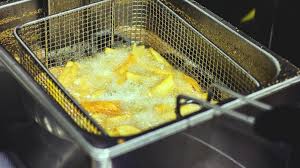
Conducting daily kitchen checks is an essential practice in maintaining a safe and efficient culinary environment. Among the many aspects that require attention, monitoring frying oil quality stands out as a critical component. Frying oil plays a pivotal role in food preparation, influencing not only the taste and texture of fried foods but also impacting health and safety standards within the kitchen.
Frying oil degrades over time due to exposure to high temperatures, moisture, air, and food particles. This degradation affects both the flavor profile of cooked dishes and their nutritional value. Therefore, it is imperative for kitchen staff to be vigilant about recognizing frying oil warning signs that indicate when frying oil should be changed.
One of the most noticeable indicators of deteriorating frying oil is its color. Fresh frying oil typically has a light golden hue; however, as it breaks down, it becomes darker due to oxidation and contamination with carbonized particles from previous cooking sessions. A significant change in color suggests that the oil may have reached an unsuitable state for further use.
Another critical factor is odor. Freshly heated frying oil should have little to no smell beyond its natural scent. However, once it starts emitting off-putting or rancid odors, this indicates chemical breakdown processes such as polymerization or hydrolysis are underway—signaling it’s time for replacement.
The presence of excessive smoke at normal cooking temperatures can also serve as a red flag during daily checks. As oils degrade through repeated heating cycles or prolonged use beyond recommended temperature ranges (usually around 350°F/175°C), they begin producing smoke earlier than expected—a clear sign they need changing before affecting food quality negatively.
Texture changes offer additional clues about fryer’s condition: if you notice increased viscosity (thickness) compared with fresh batches after cooling down completely overnight without any added substances like flour/batter residues sticking on surfaces easily removed previously using simple washing methods alone – then perhaps something needs addressing sooner rather than later!
Finally yet importantly comes taste testing itself: even slight variations detected by trained palates could mean difference between satisfied customers returning again soon versus those leaving disappointed never coming back!
By incorporating these observations into routine inspections alongside other standard procedures already established within your organization’s operational framework ensures everyone remains informed regarding current status quo surrounding all things related specifically towards maintaining optimal performance levels throughout entire facility regardless size scale operations involved therein thereby contributing significantly overall success long term basis ultimately benefiting bottom line profitability margins alike!