

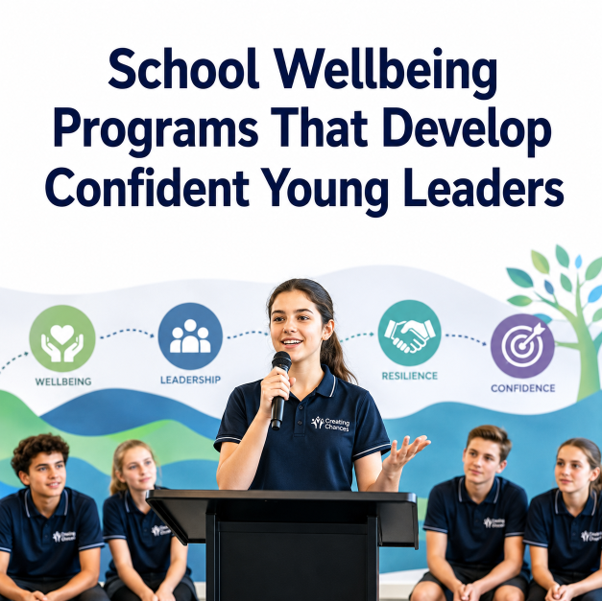
A positive school experience is about more than academic achievement. Students are more likely to succeed when they feel confident, connected, and supported throughout their learning journey. That’s why many schools are investing in school wellbeing programs that help students build resilience, strengthen relationships, and develop the life skills needed to thrive both inside and outside the classroom.
One of the most effective ways to achieve these outcomes is through a youth leadership program. By giving students opportunities to lead, collaborate, and solve real-world challenges, schools create environments where young people feel valued, engaged, and empowered to make a positive difference.
At Creating Chances, we work alongside schools to deliver evidence-based wellbeing initiatives that combine leadership, sport, and practical learning experiences to help students build confidence and prepare for life beyond school.
Today’s Students Need More Than Academic Success
Success at school is no longer measured by grades alone. Students also need emotional resilience, confidence, communication skills, and a sense of belonging to navigate the challenges of modern life.
Every student experiences different pressures, from academic expectations and social relationships to personal challenges outside the classroom. Without the right support, these pressures can affect wellbeing, engagement, and long-term development.
Well-designed school wellbeing programs help schools create positive environments where students feel safe, respected, and motivated to participate. When wellbeing becomes part of everyday school life, students are better equipped to learn, build healthy relationships, and contribute positively to their communities.
From Student Participation to Student Leadership
The most successful schools don’t simply encourage participation—they create opportunities for students to become leaders.
A youth leadership program helps young people develop practical skills by encouraging them to take responsibility, solve problems, support their peers, and contribute to their school community.
Leadership is not limited to school captains or formal leadership roles. Every student can develop leadership qualities by learning to:
- Communicate with confidence.
- Make thoughtful decisions.
- Work collaboratively with others.
- Show empathy and respect.
- Take initiative in everyday situations.
- Inspire positive behaviour within their community.
When leadership becomes part of everyday learning, students develop confidence that extends well beyond the classroom.
How School Wellbeing Programs Create Lasting Change
Strong wellbeing programs create meaningful outcomes because they focus on the whole student rather than academic performance alone.
Building Confident Students
Students who feel supported are more willing to participate, express their ideas, and challenge themselves in new situations. Confidence developed through practical experiences often carries into learning, friendships, and future career pathways.
Strengthening Positive Relationships
Healthy relationships form the foundation of positive school communities. Wellbeing programs encourage students to communicate effectively, resolve conflict respectfully, and build stronger connections with classmates, teachers, and the wider community.
Increasing Student Engagement
When students feel connected to their school, they are more likely to participate in learning, attend regularly, and contribute positively to school life. Engaged students often develop greater motivation and a stronger sense of purpose.
Preparing Young People for Life Beyond School
Academic knowledge is important, but so are communication, resilience, teamwork, and leadership. These skills help young people transition successfully into further education, employment, and community life.
Why Leadership Is an Essential Part of Student Wellbeing
Leadership and wellbeing are closely connected. Students who are encouraged to lead often develop greater confidence, stronger decision-making skills, and a greater sense of belonging within their school.
A practical youth leadership program gives students opportunities to experience leadership through real situations rather than simply learning about it in theory.
Students develop valuable skills such as:
- Leadership and responsibility.
- Communication and teamwork.
- Critical thinking and problem solving.
- Resilience during challenges.
- Respect for different perspectives.
- Confidence to contribute positively.
These experiences help students recognise their strengths while encouraging them to become positive role models within their school communities.
What Makes Creating Chances Different?
At Creating Chances, we believe young people learn best through experience.
Rather than delivering traditional classroom presentations, our school wellbeing programs use sport, teamwork, and practical activities to help students apply important life skills in real situations. This active learning approach keeps students engaged while creating meaningful opportunities to develop confidence, resilience, and leadership.
Our programs are designed to:
- Create inclusive learning experiences.
- Encourage active participation.
- Build practical life skills.
- Strengthen student wellbeing.
- Support positive school cultures.
- Deliver measurable community outcomes.
Every program is developed in partnership with schools to meet the unique needs of their students and communities.
The Outcomes Schools Want to See
Schools invest in wellbeing because they want to create lasting positive outcomes for every student—not simply deliver another program.
Through Creating Chances, schools often see students:
- Build greater confidence.
- Develop stronger leadership skills.
- Improve communication and teamwork.
- Increase participation in school activities.
- Strengthen peer relationships.
- Demonstrate greater resilience.
- Feel more connected to their school community.
- Contribute positively both inside and outside the classroom.
These outcomes help create healthier learning environments where students are supported to achieve their full potential.
Investing in Student Wellbeing Creates Stronger Communities
Supporting young people today creates stronger communities tomorrow. When schools invest in school wellbeing programs and provide opportunities through a youth leadership program, they help students develop the confidence, resilience, and leadership skills needed for lifelong success.
Every confident student has the potential to become a positive role model, an engaged community member, and a future leader. By working together, schools, educators, and community organisations can create learning environments where every young person has the opportunity to thrive and make a meaningful contribution to the world around them.